(And No, I’m Not Talking About Crystals)
You don’t have to believe in feng shui.
But you should care about how your house feels.
Because buyers absolutely do.
When someone walks into a home and says,
“Hmm… I don’t know,”
That hesitation costs you money.
Most of the time, it’s not price.
It’s layout. Light. Flow. Subtle friction.
Here are 7 common issues I see — and whether they’re actually fixable before you sell.
1. Front Door Opens Into a Wall
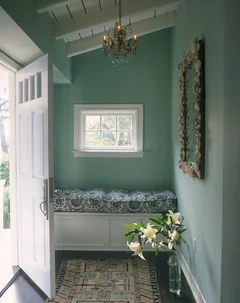
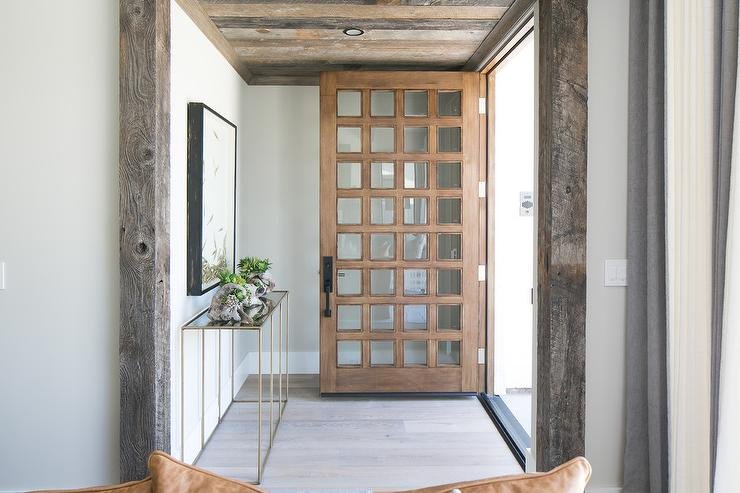
Feels blocked. Tight. Awkward.
Can you move the wall?
No. Not unless you love spending money.
Can you soften it?
Yes.
Add light. Add art. Add a slim console. Remove clutter.
You’re not changing architecture — you’re changing first impression.
2. You Can See Straight Through the House

Front door → back door → backyard.
It feels exposed. Like the house has no pause button.
Fixable?
Not structurally.
But visually?
Absolutely.
Float furniture. Add a rug. Layer lighting. Create depth.
Buyers relax when a space feels intentional.
3. Stairs Punch You in the Face When You Walk In
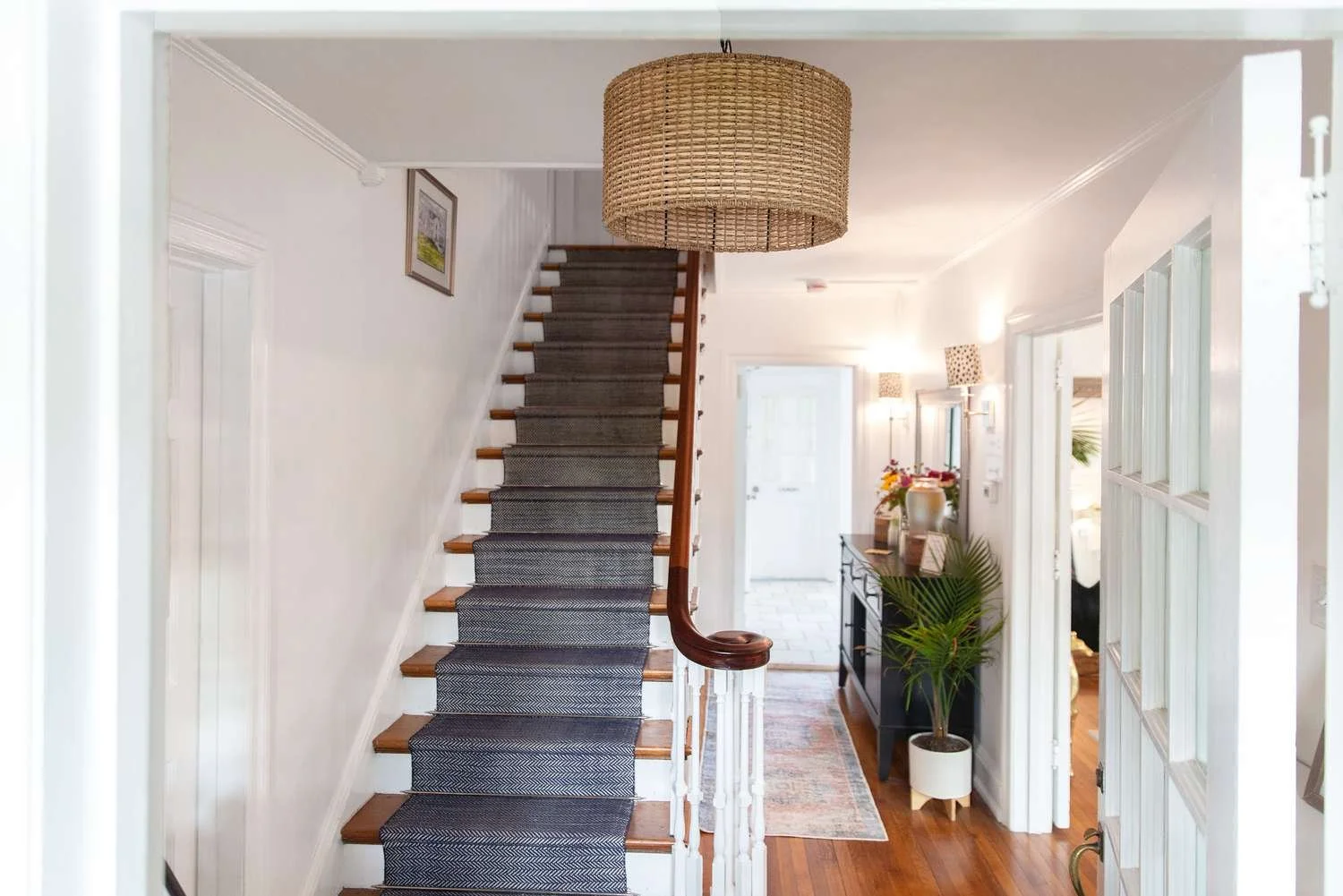
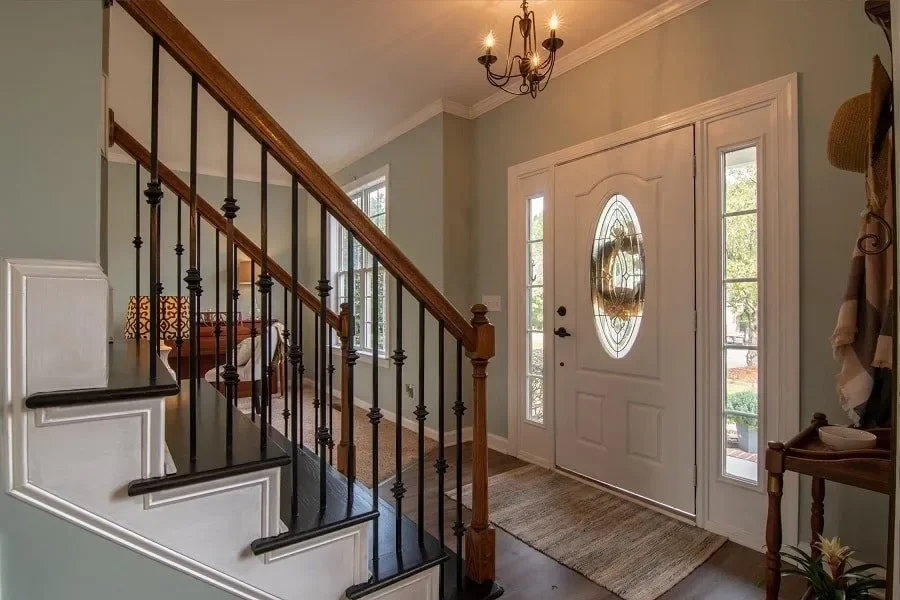
Very common in Seattle townhomes.
You open the door and — boom — staircase.
Can you move them?
No.
Can you make them feel designed instead of abrupt?
Yes.
Add a runner. Add statement lighting. Add art that draws the eye up instead of straight ahead.
Reframe the focal point.
4. Furniture That’s Way Too Big

If your sectional eats the entire living room, buyers assume the room is small.
This one is 100% fixable.
Remove one piece. Downsize. Or stage it properly.
Scale is everything. Especially in Bellevue and Seattle townhomes.
5. Dark Corners (a.k.a. Energy Black Holes)
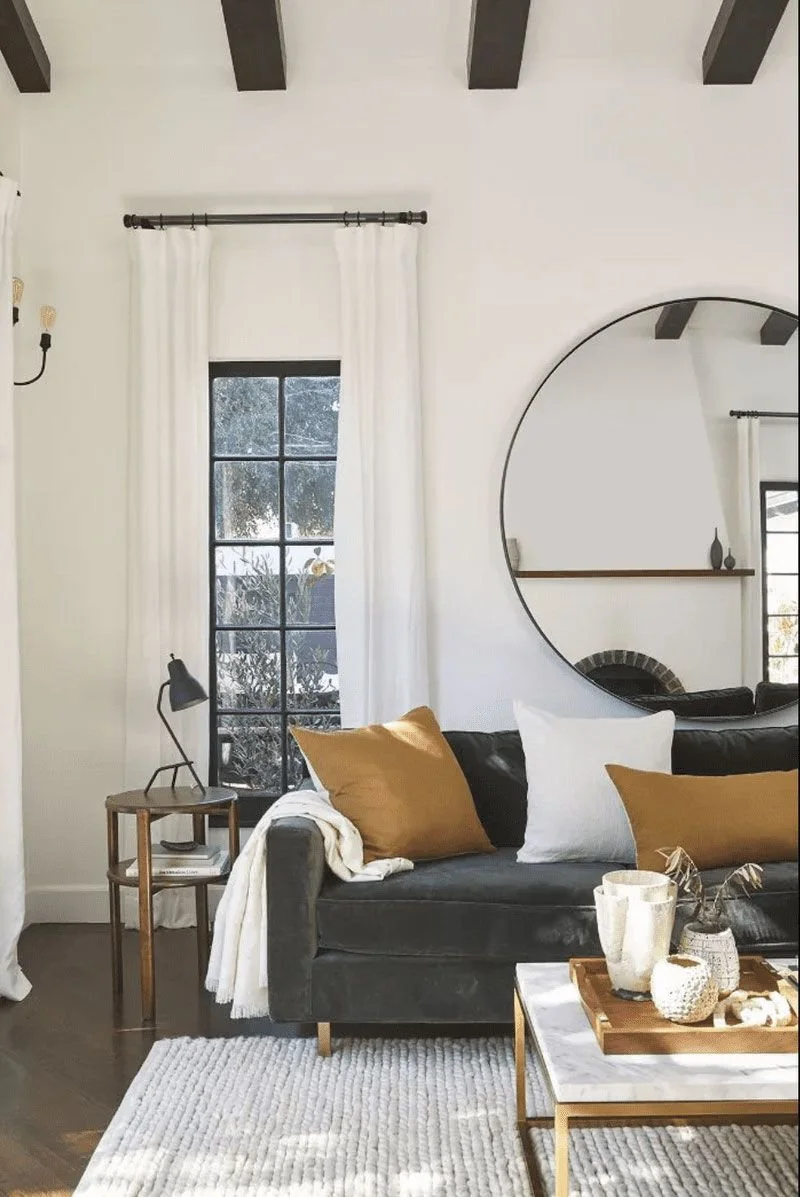
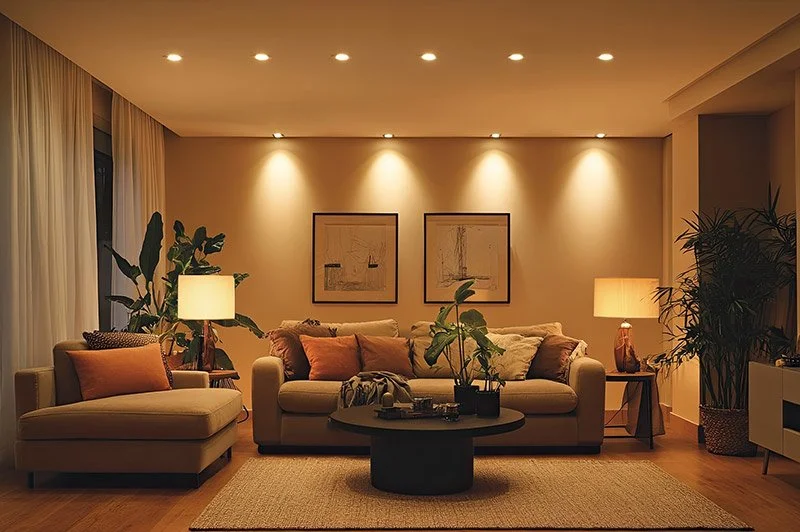

PNW homes + gray skies = lighting matters.
Dark = neglected in a buyer’s brain.
You don’t need skylights.
You need:
Better bulbs (2700K–3000K)
Lamps in every dead corner
Clean windows
Lighter paint if needed
Lighting is one of the highest ROI changes you can make.
6. Cluttered Counters
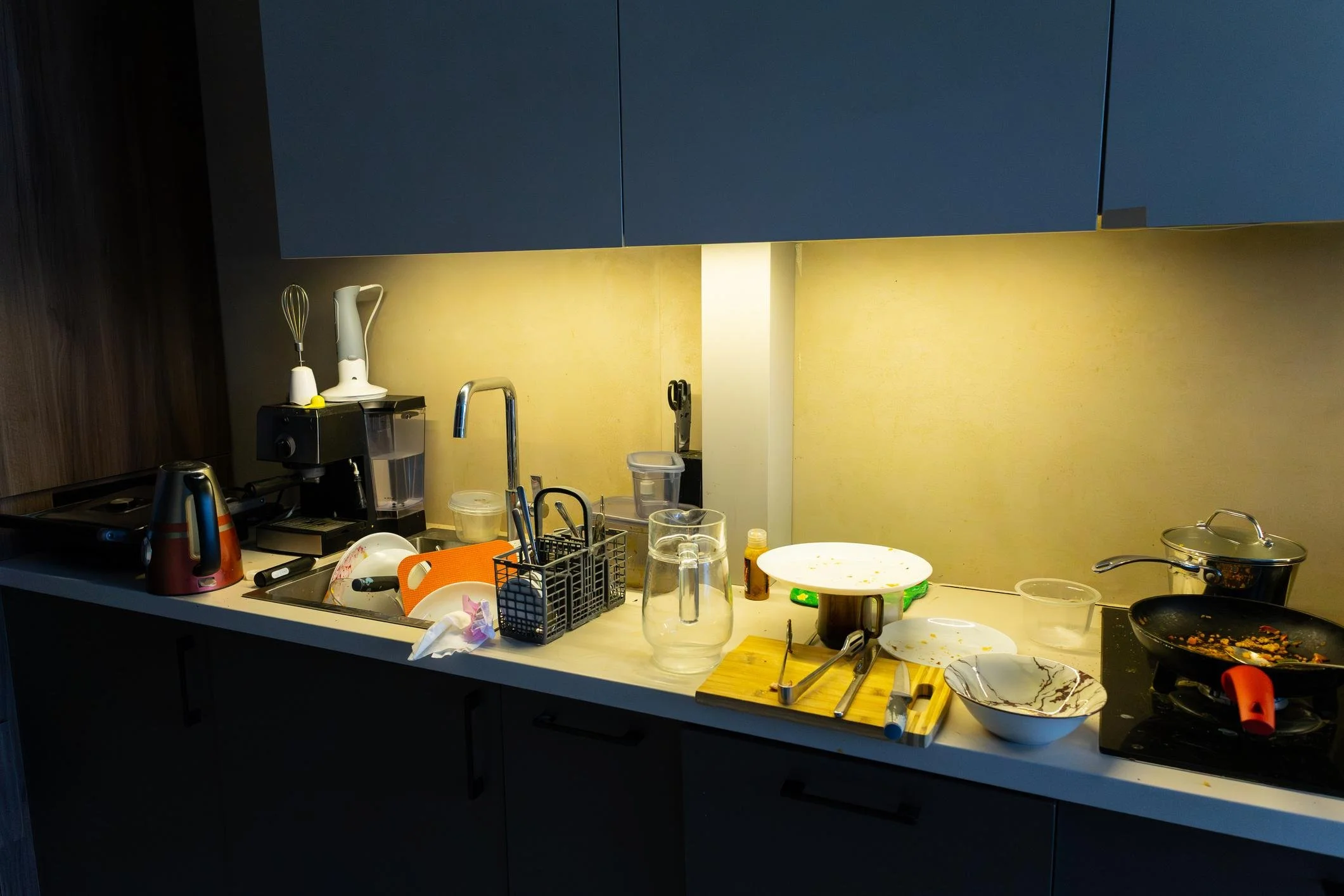
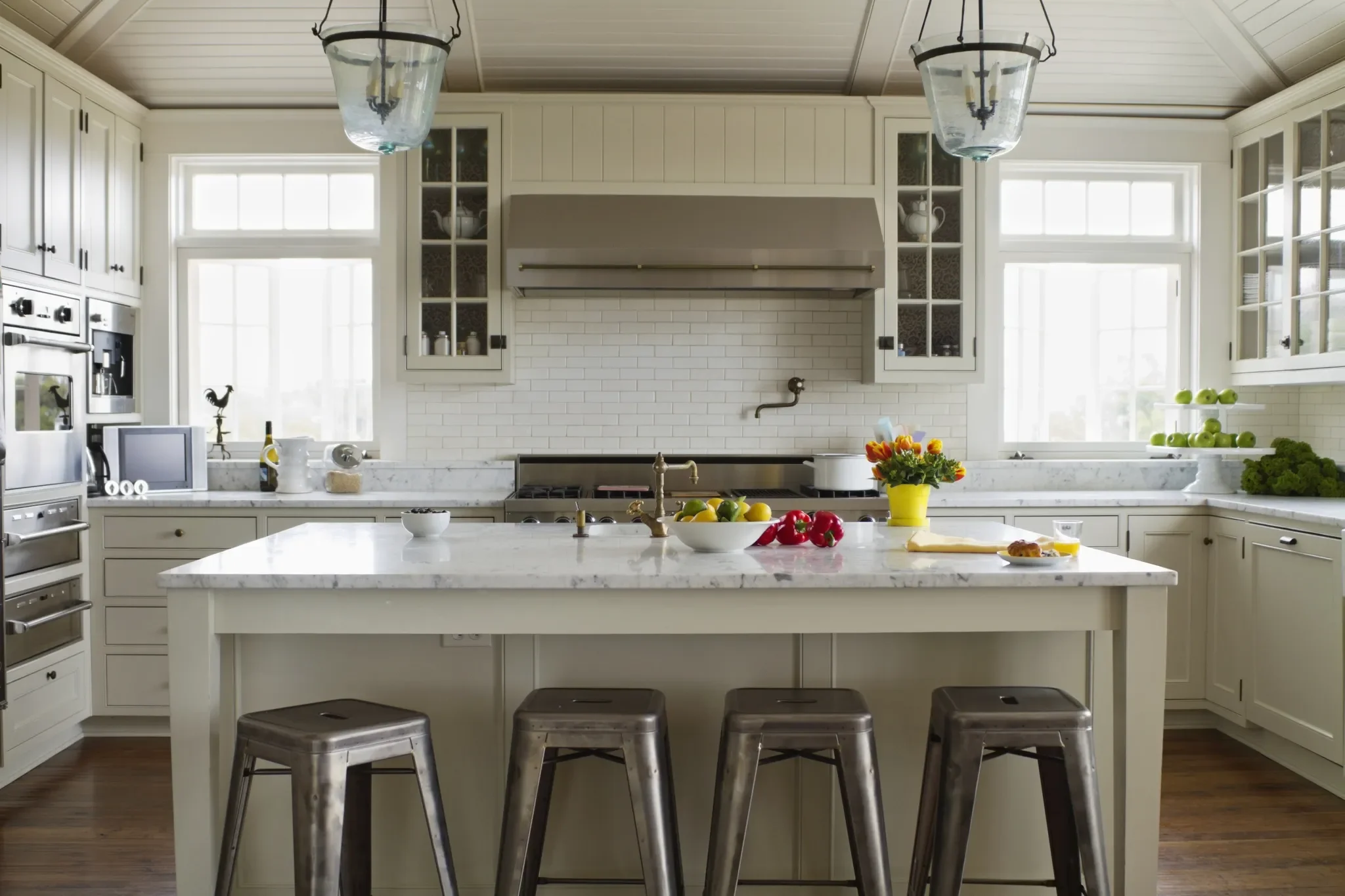
Buyers don’t see “lived in.”
They see “not enough storage.”
This is the easiest fix on this list.
Remove half of what’s visible.
Then remove half again.
7. Structural Stuff You Can’t Fix
Low ceilings. Narrow hallways. Weird layouts.
Here’s the honest answer:
Sometimes you don’t fix it.
You price for it.
Smart strategy isn’t about making your home perfect.
It’s about knowing where to spend — and where not to.
The Real Takeaway
“Bad feng shui” is usually just:
Poor lighting
Bad furniture scale
No visual flow
Or deferred maintenance
You don’t need incense.
You need intention.
If selling is even a possibility in the next couple years, the smartest move isn’t renovating everything.
It’s figuring out:
What actually increases value
What just makes you feel productive
And what buyers truly care about
If you want a straight answer on which category your home falls into, let’s talk.
Because good energy is nice.
But strong offers are better.