
5 Feng Shui Red Flags to Watch for When Touring Homes
(That Most Buyers Don’t Catch Until It’s Too Late)
Most buyers walk into a home and go straight to:
Kitchen.
Bathrooms.
Price.
But here’s the truth — the reason you like (or don’t like) a house usually has nothing to do with those things.
It’s the layout.
The light.
The way it feels the second you walk in.
Call it feng shui, call it buyer psychology — either way, it matters.
If you’re out touring homes (especially in Seattle / Bellevue where layouts can get… interesting), here are 5 red flags to watch for — and whether they’re actually fixable.
1. You Walk In and Immediately Feel… Off
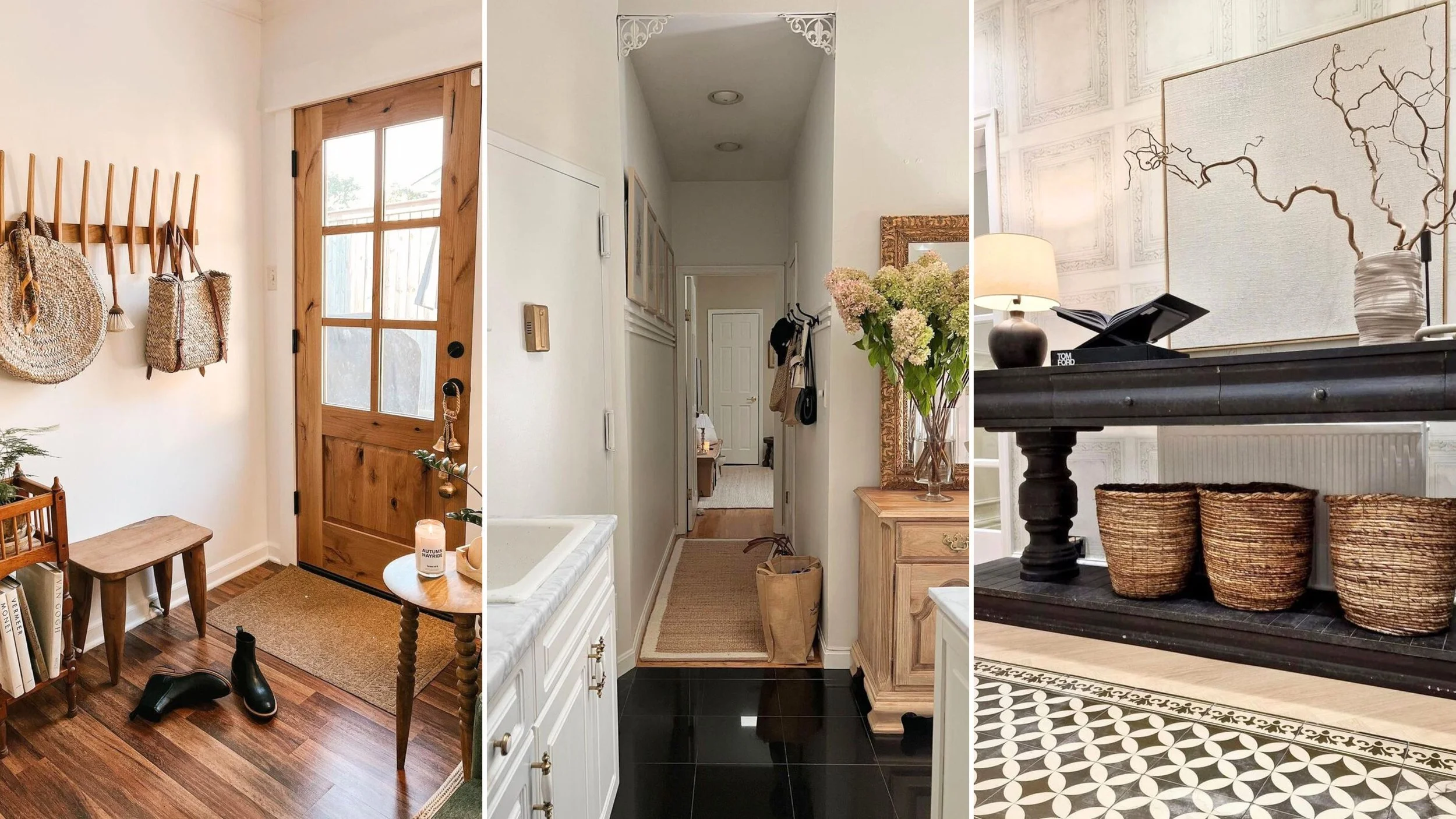
You open the front door… and you’re basically staring straight into the backyard.
It feels exposed. Like there’s no separation between spaces.
Fixable?
👉 Structurally — no
👉 Visually — yes
Good staging can break that up with:
furniture placement
rugs
lighting
plants
This is a super common layout issue — especially in newer builds.
3. You Can’t Figure Out the Layout
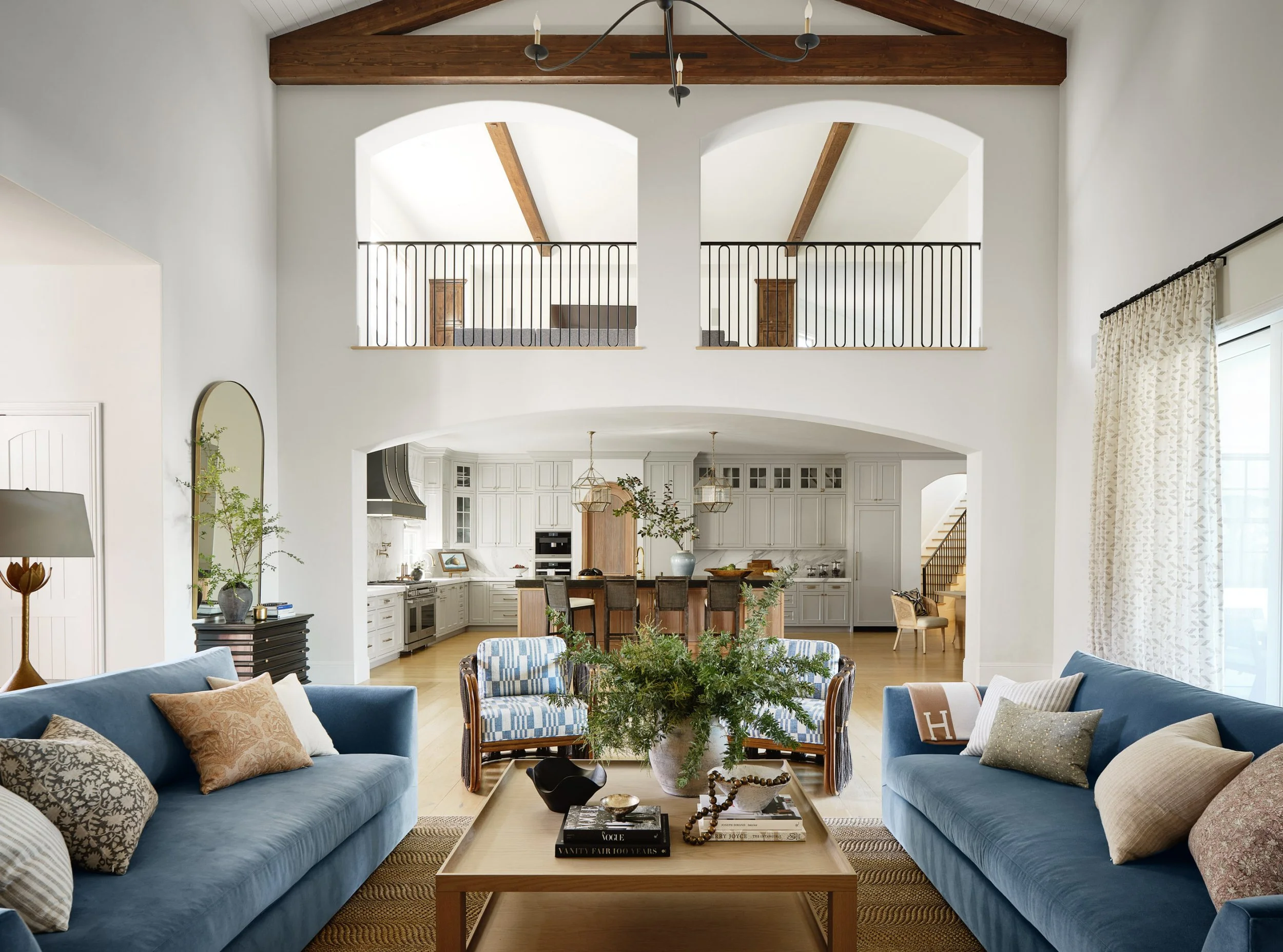
If you’re walking through a house thinking:
“Where would my couch even go?”
That’s a problem.
Buyers hesitate when they can’t picture how they’d live in the space.
Fixable?
👉 Sometimes
If it’s just furniture → easy
If the layout itself is awkward → more expensive
This is where you want to think beyond finishes and start thinking about function.
4. The House Feels Dark (Even During the Day)
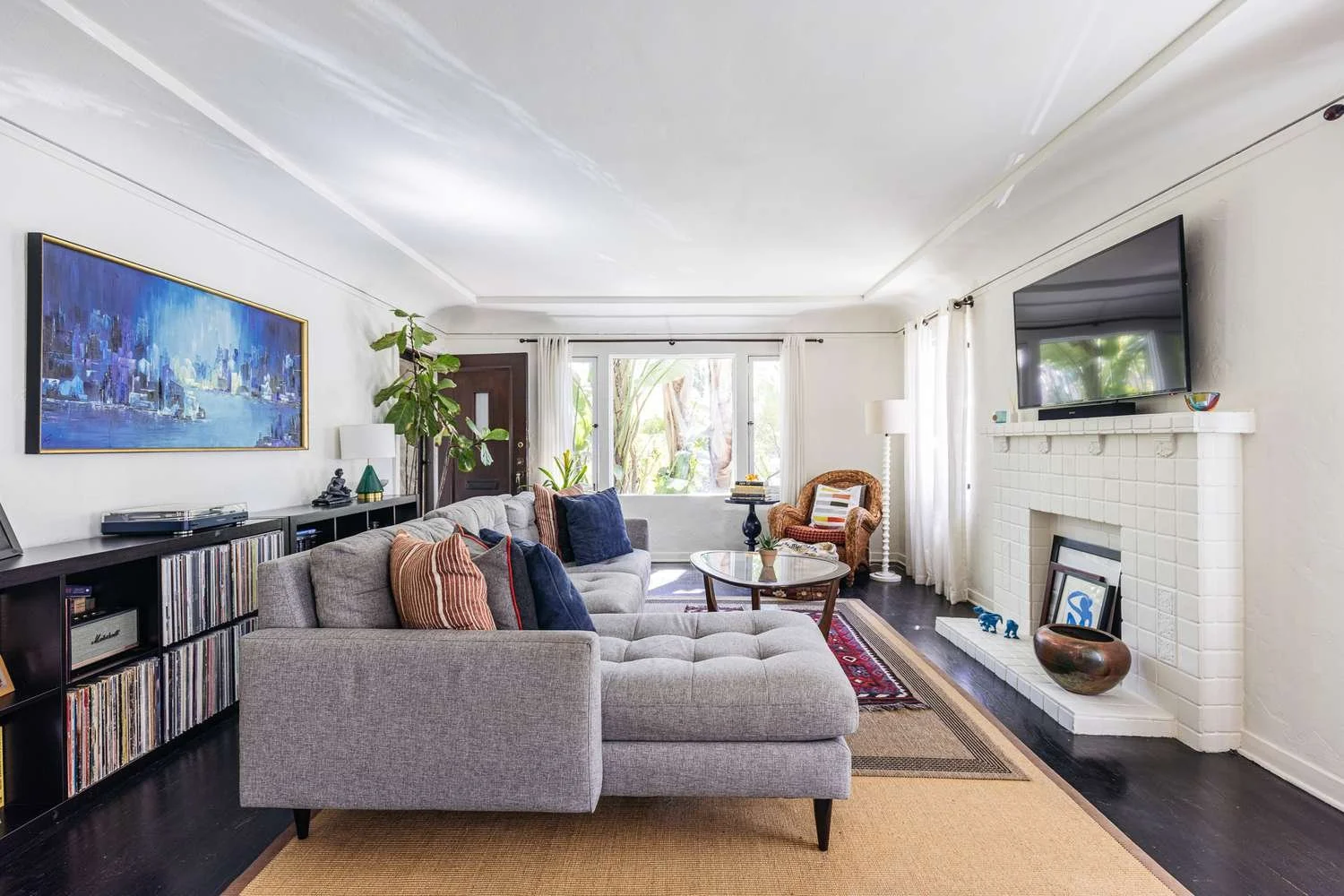
This is a big one in the Pacific Northwest.
Dark homes feel:
smaller
heavier
less expensive (even if they’re not)
Fixable?
👉 Often, yes
better lighting
different bulbs
removing heavy curtains
Not so easy?
Adding windows.
Lighting is one of the highest ROI changes — and one of the most overlooked when buying a home.
5. Little Things That Make You Start Questioning Everything
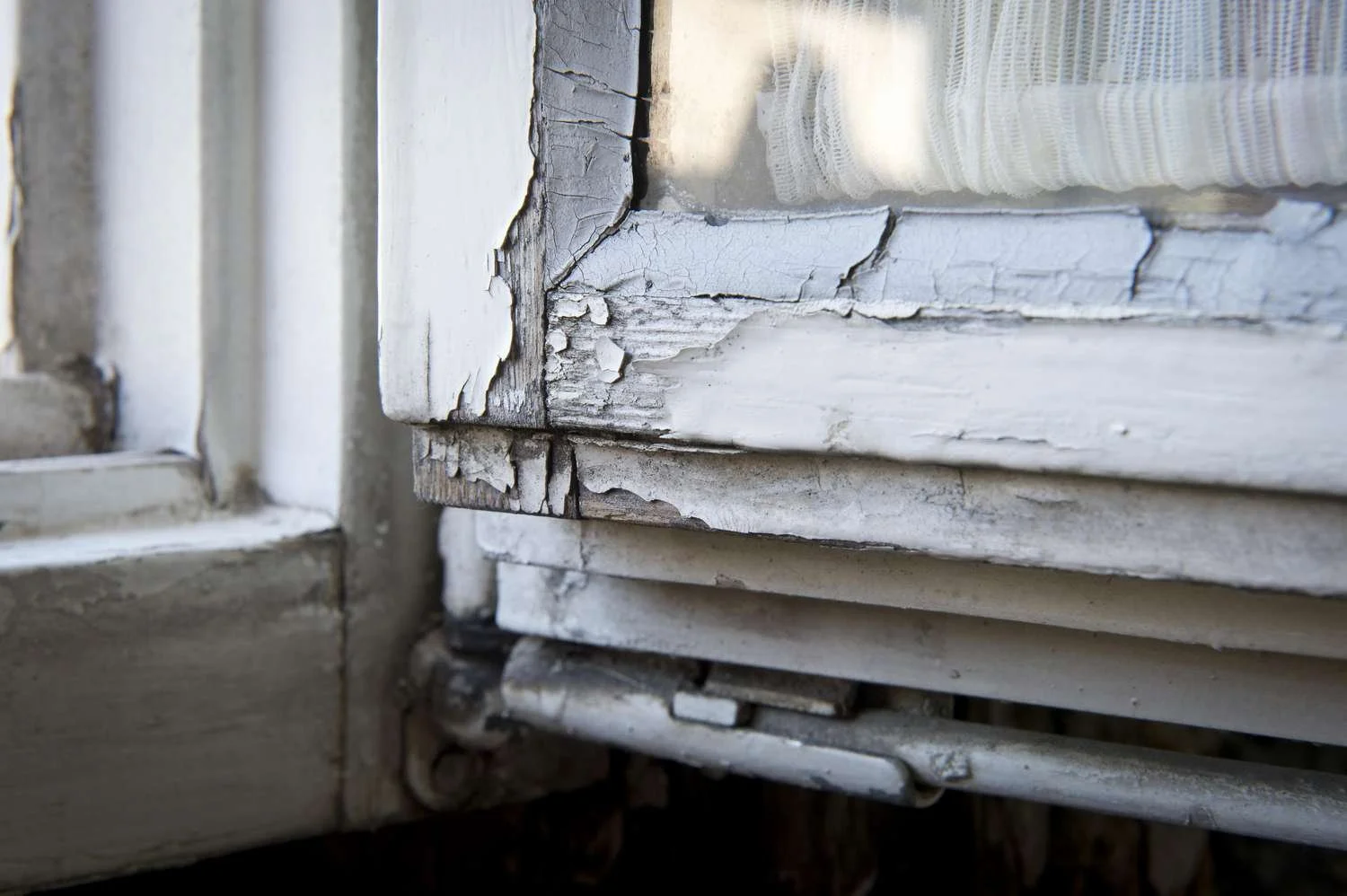
This one sneaks up on people.
A chipped cabinet.
A loose handle.
A worn corner.
Individually? No big deal.
Together? Your brain starts going:
“What else is wrong here?”
Fixable?
👉 Yes — and honestly, sellers should’ve handled this already
But if they didn’t, it’s something to factor into your offer or negotiations.
The Real Truth Most Buyers Miss
Most “bad feng shui” isn’t actually feng shui.
It’s:
poor layout
bad lighting
lack of maintenance
or just bad staging
Some of these are easy wins.
Some cost money.
And some are things you just need to price into the deal.
Touring Homes? Think Like This Instead
Next time you’re walking through a house, ask yourself:
Is this a real problem or just bad presentation?
Can this be fixed quickly and cheaply?
Or is this something I’ll deal with every day?
That’s how you avoid overpaying — and how you find the right house faster.
Thinking About Buying a Home?
If you’re actively touring homes or planning to start soon, we help buyers look beyond just finishes and price.
We’ll help you figure out:
what’s actually a red flag
what’s fixable
and what’s worth negotiating
Reach out anytime if you want a second opinion before making a move.
Feng Shui & Curb Appeal: Why the Outside of Your Home Matters More Than You Think
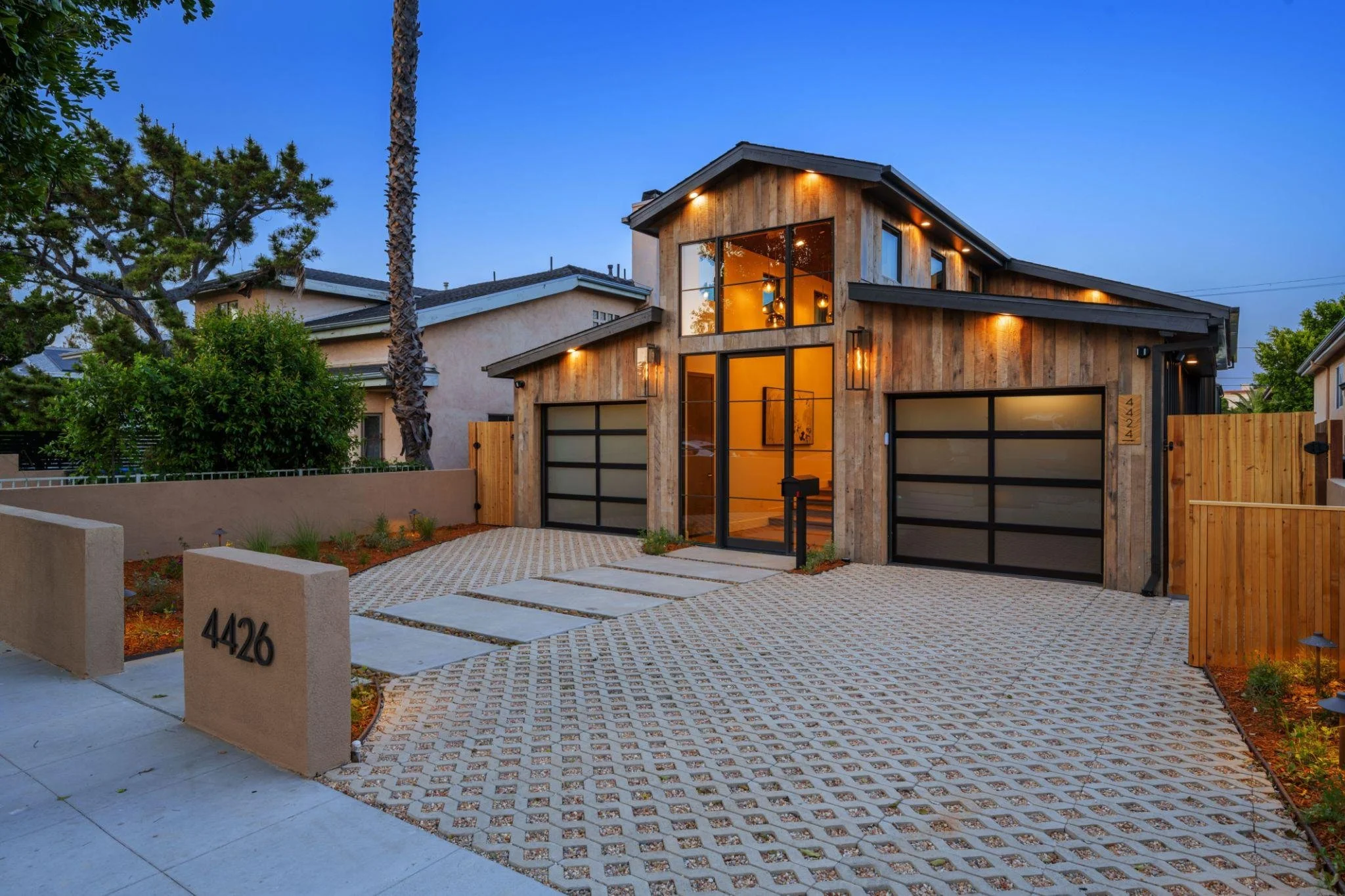
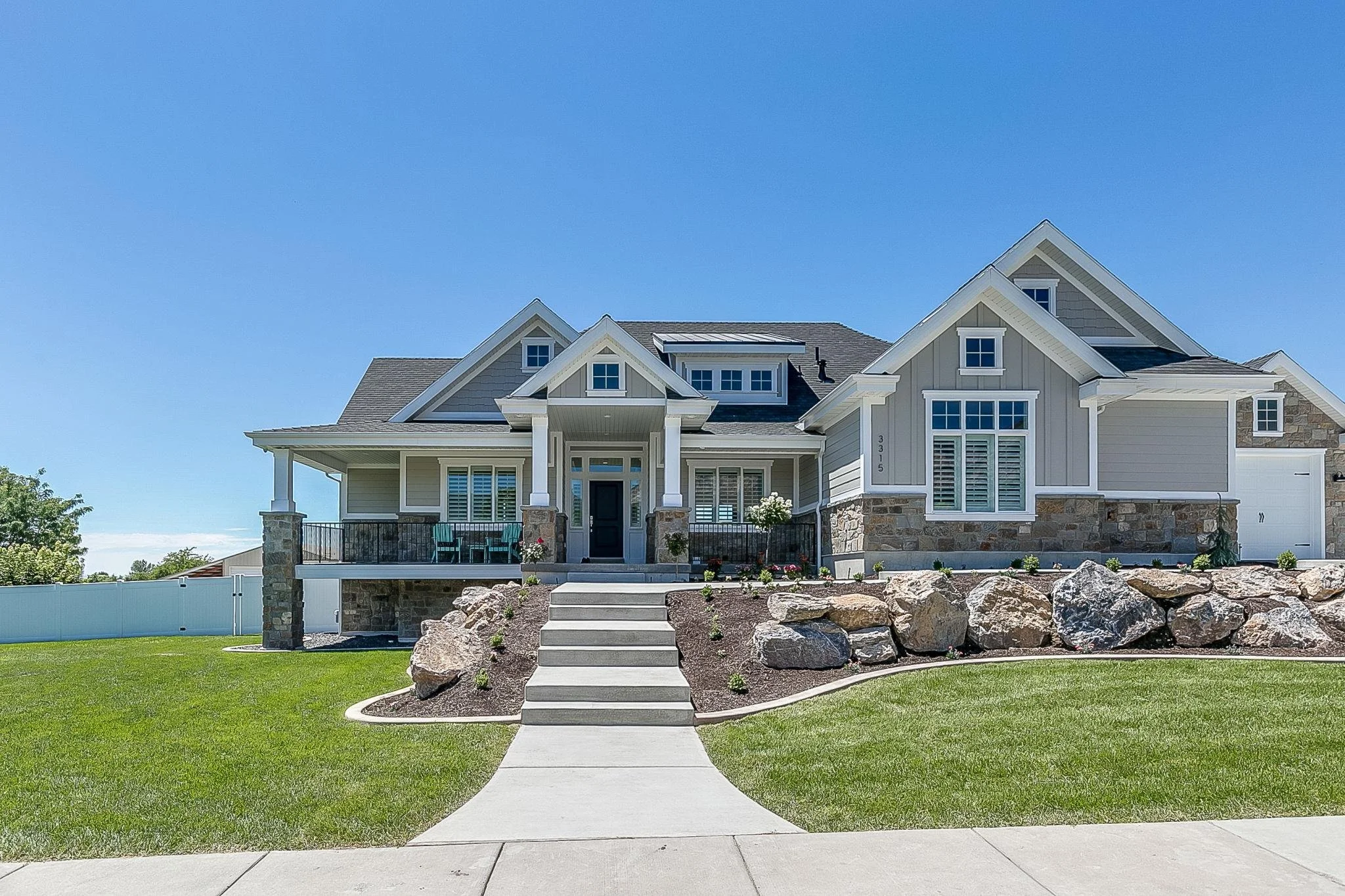
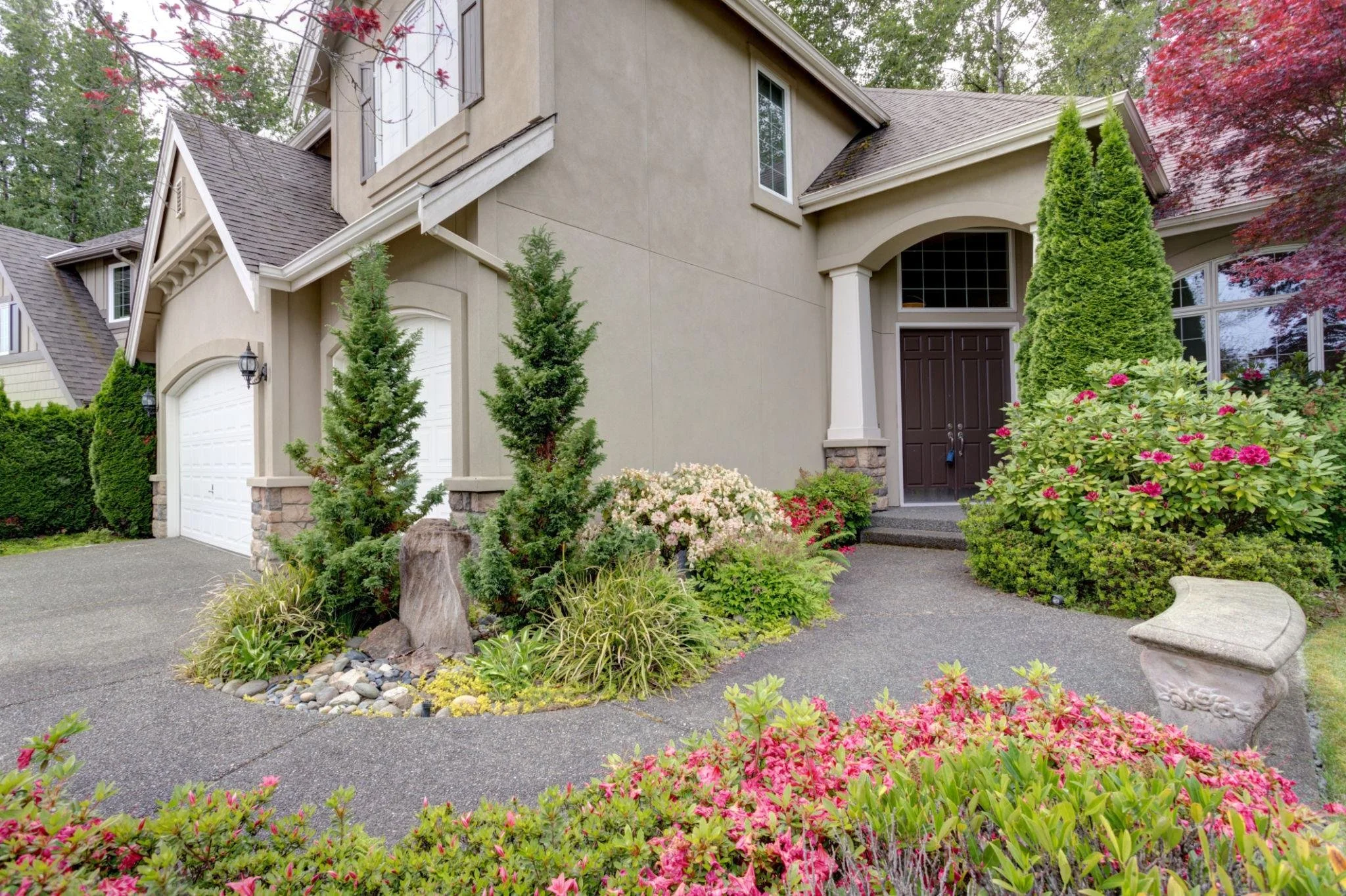
Most buyers decide how they feel about a house before they even step inside.
They pull up to the curb, sit in the car for a moment, and look.
The yard.
The walkway.
The front door.
In feng shui, the front entrance is where energy enters the home. In real estate, we call it something simpler: curb appeal.
If the outside of a house feels neglected, buyers assume the inside probably is too.
The good news is that many exterior issues are simple and inexpensive to improve.
The Front Door Sets the Tone
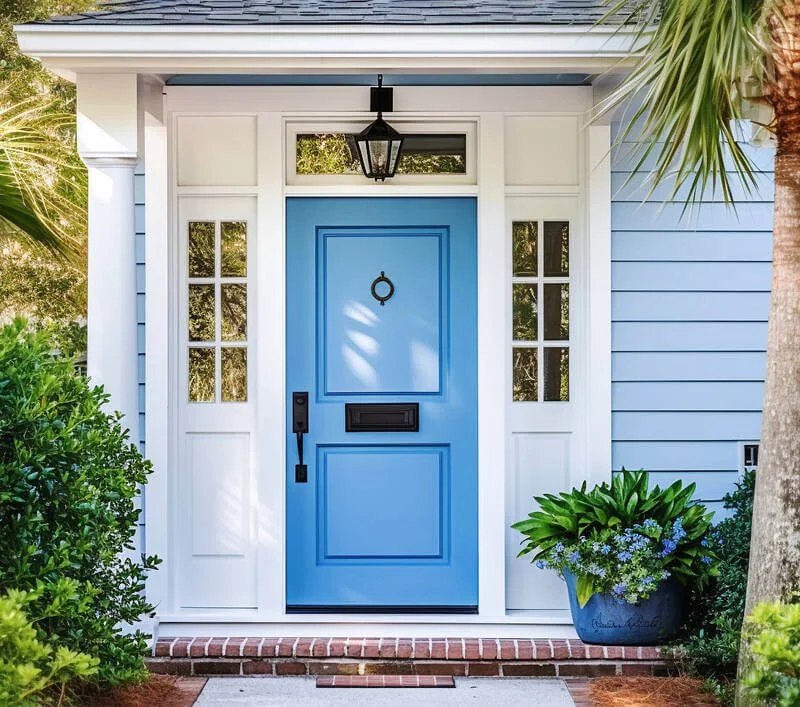
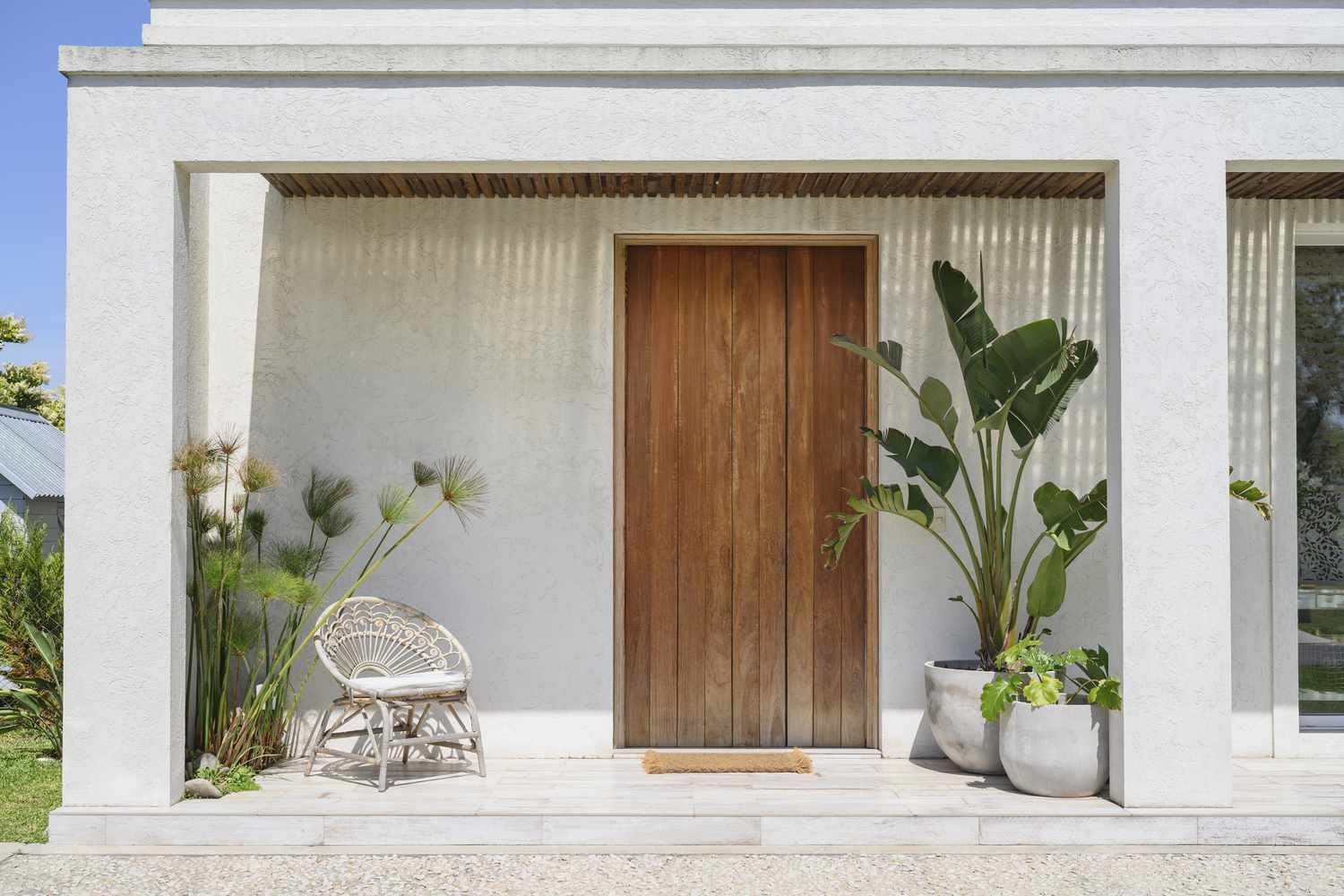
Your front door is the focal point of the exterior.
If it’s faded, scratched, or hard to find, the house immediately feels less inviting.
The fix is usually simple.
Fresh paint on the door.
Updated door hardware.
Good lighting near the entrance.
Clean house numbers that are easy to see.
You don’t need a remodel. You just want the entry to feel intentional and welcoming.
Landscaping Should Guide Buyers to the Door
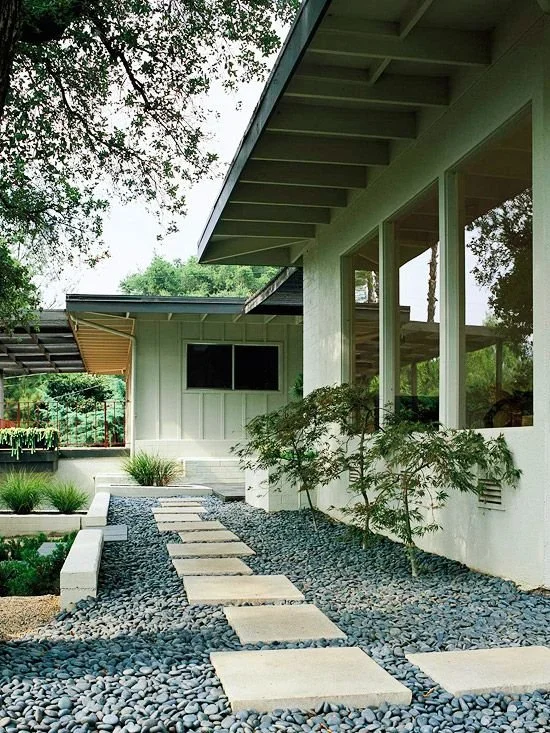


Ideally, the landscaping should naturally guide visitors toward the entrance.
Overgrown bushes, cluttered walkways, or messy landscaping can make a home feel chaotic before buyers even step inside.
Simple improvements make a big difference:
• Trim shrubs and trees
• Add fresh mulch
• Clear the walkway
• Keep the lawn tidy
None of this is expensive, but it can dramatically improve the first impression.
Buyers Notice Exterior Maintenance Immediately
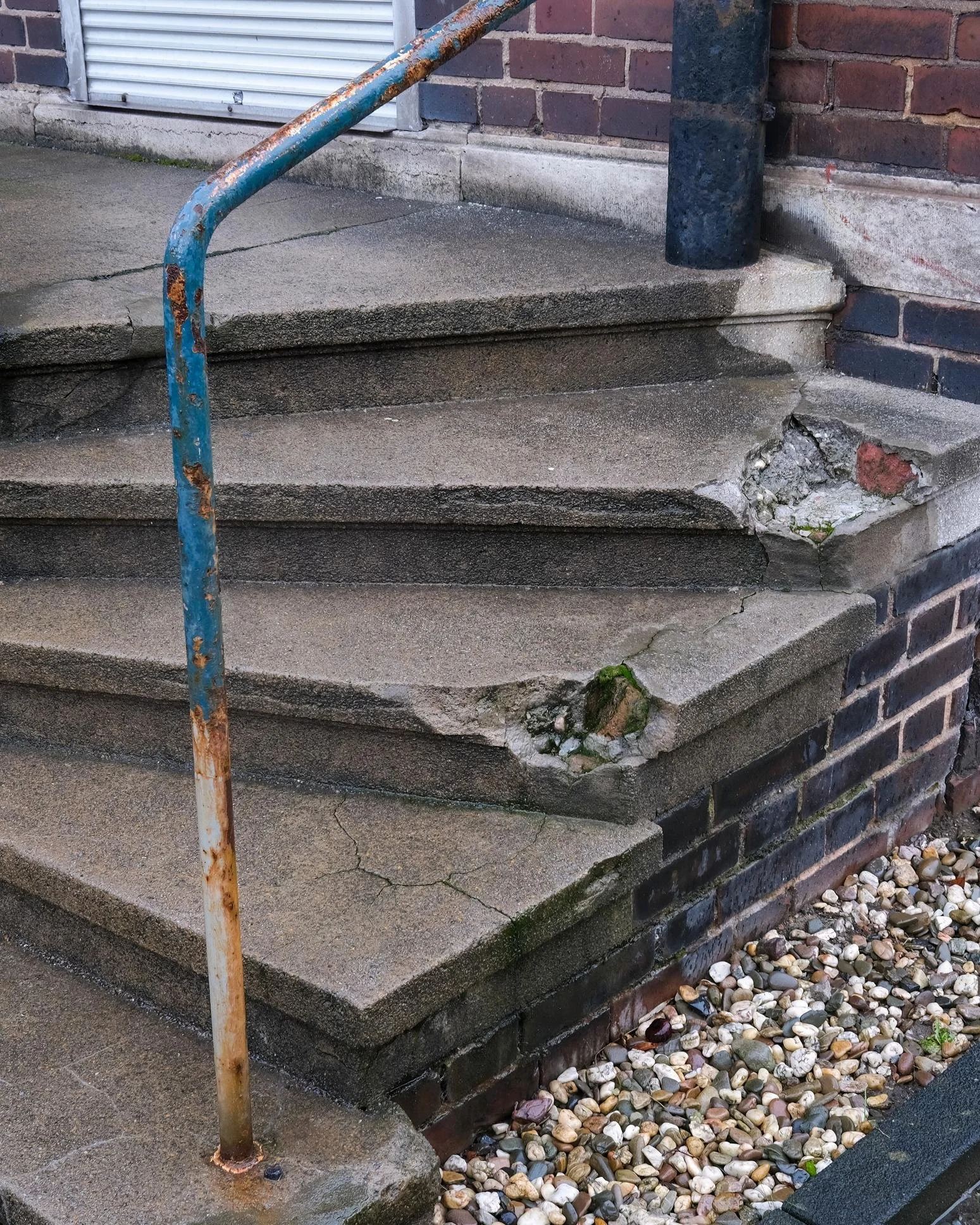
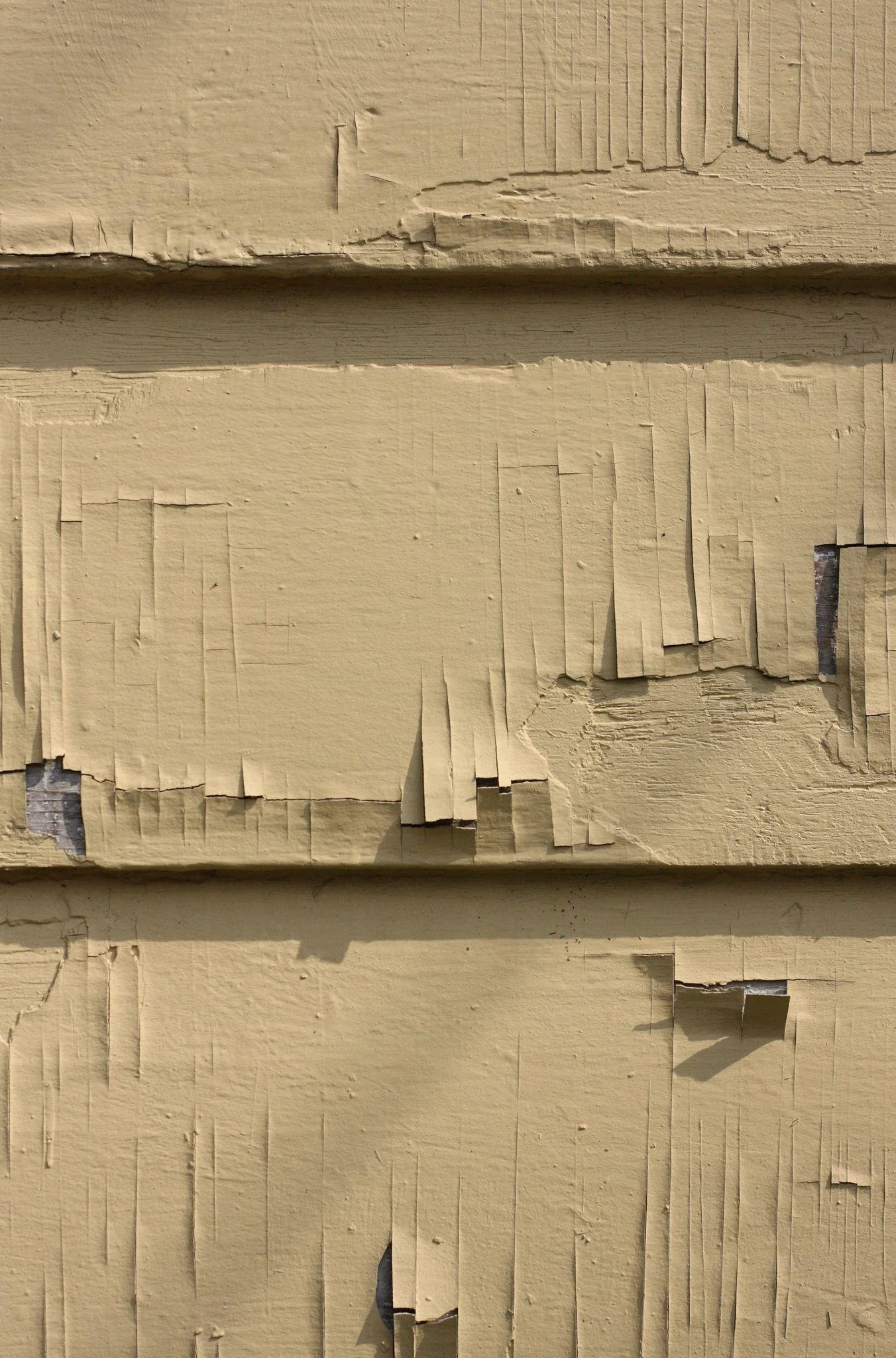
When buyers walk up to a home, they’re quietly looking for signs of maintenance.
Things like:
• peeling paint
• cracked steps
• broken lights
• loose railings
Even small issues can make buyers wonder what else hasn’t been maintained.
Feng shui calls this “blocked energy.”
In real estate, we call it deferred maintenance.
Fixing a few small exterior issues before listing can make a surprisingly big difference in how buyers perceive the home.
Not Every Exterior Problem Should Be Fixed
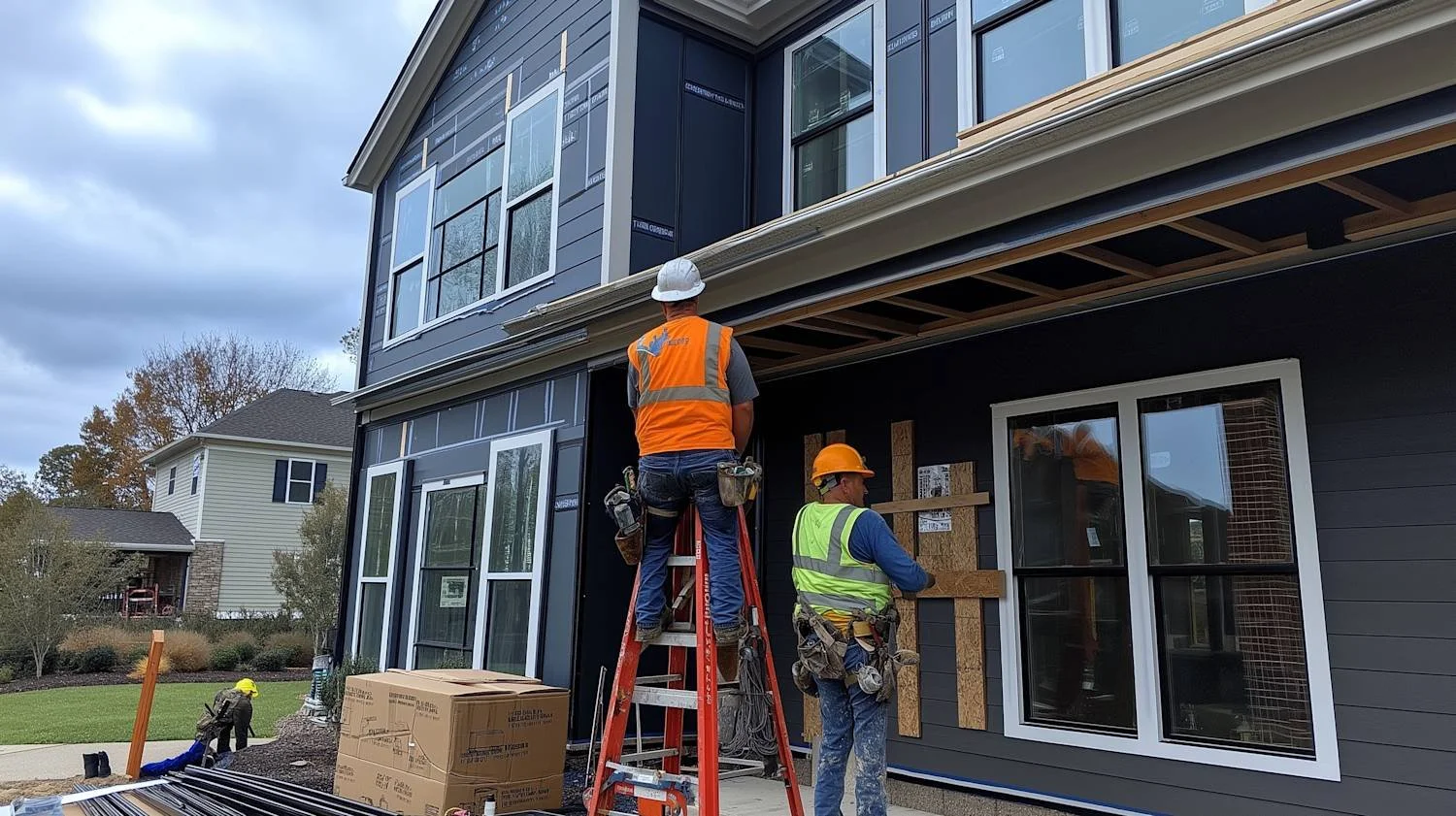

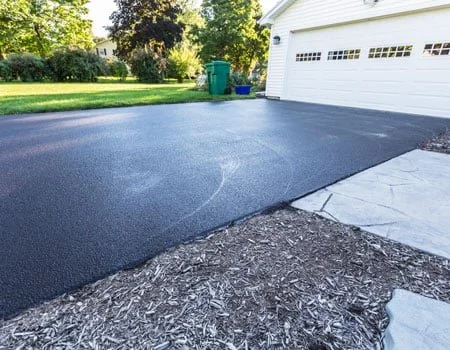
Some exterior improvements are major expenses.
Things like:
• replacing a roof
• new siding
• rebuilding a driveway
Sometimes those projects make sense before selling. Sometimes they don’t.
The key is knowing where to invest money and where it’s better to simply price the home accordingly.
The Real Takeaway
Good curb appeal isn’t about making your home perfect.
It’s about making buyers feel confident the moment they arrive.
When the exterior feels cared for, buyers walk inside expecting the rest of the house to be the same.
And that expectation often leads to stronger offers and a faster sale.
Thinking About Selling in the Next Few Years?
If selling is even a possibility, planning ahead can make a big difference.
Sometimes small improvements — especially to the exterior — can significantly increase a home’s value.
If you'd like help identifying which changes are worth making and which aren’t, feel free to reach out. We’d be happy to take a look.
Bad Feng Shui Is Costing You Money
(And No, I’m Not Talking About Crystals)
You don’t have to believe in feng shui.
But you should care about how your house feels.
Because buyers absolutely do.
When someone walks into a home and says,
“Hmm… I don’t know,”
That hesitation costs you money.
Most of the time, it’s not price.
It’s layout. Light. Flow. Subtle friction.
Here are 7 common issues I see — and whether they’re actually fixable before you sell.
1. Front Door Opens Into a Wall
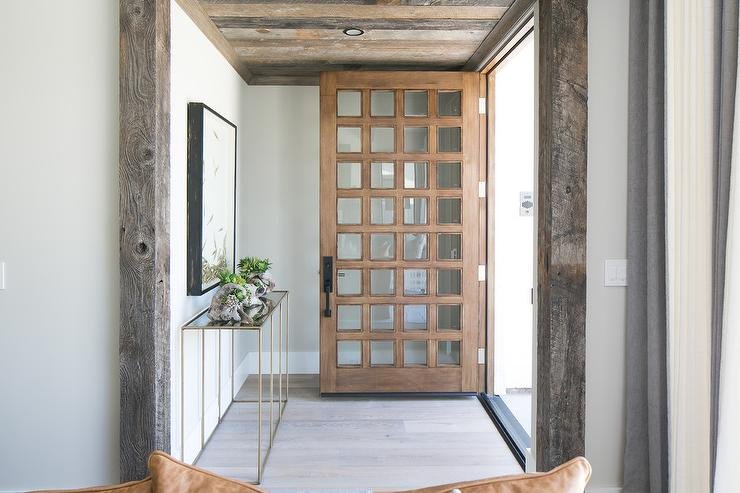
Feels blocked. Tight. Awkward.
Can you move the wall?
No. Not unless you love spending money.
Can you soften it?
Yes.
Add light. Add art. Add a slim console. Remove clutter.
You’re not changing architecture — you’re changing first impression.
2. You Can See Straight Through the House

Front door → back door → backyard.
It feels exposed. Like the house has no pause button.
Fixable?
Not structurally.
But visually?
Absolutely.
Float furniture. Add a rug. Layer lighting. Create depth.
Buyers relax when a space feels intentional.
3. Stairs Punch You in the Face When You Walk In
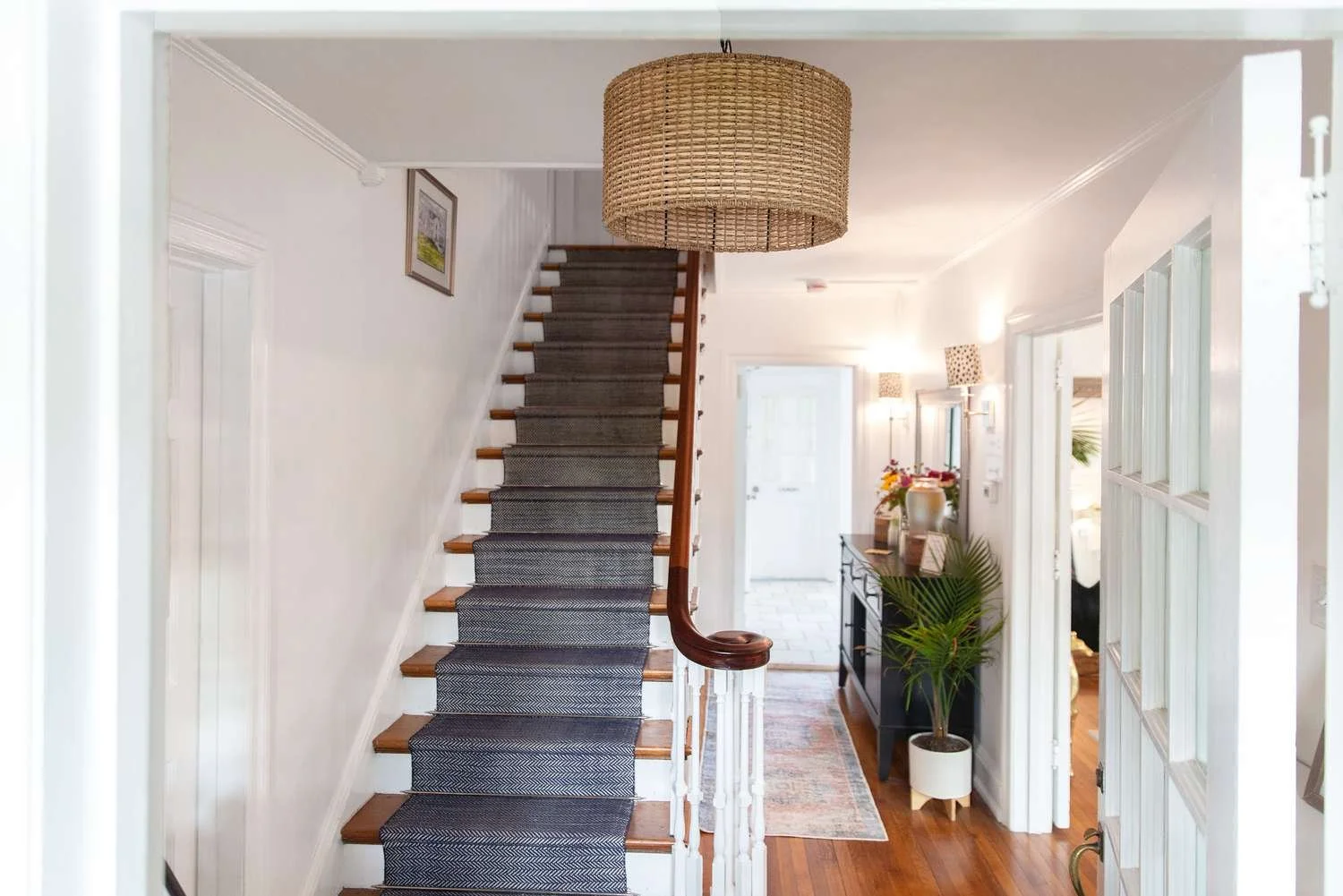
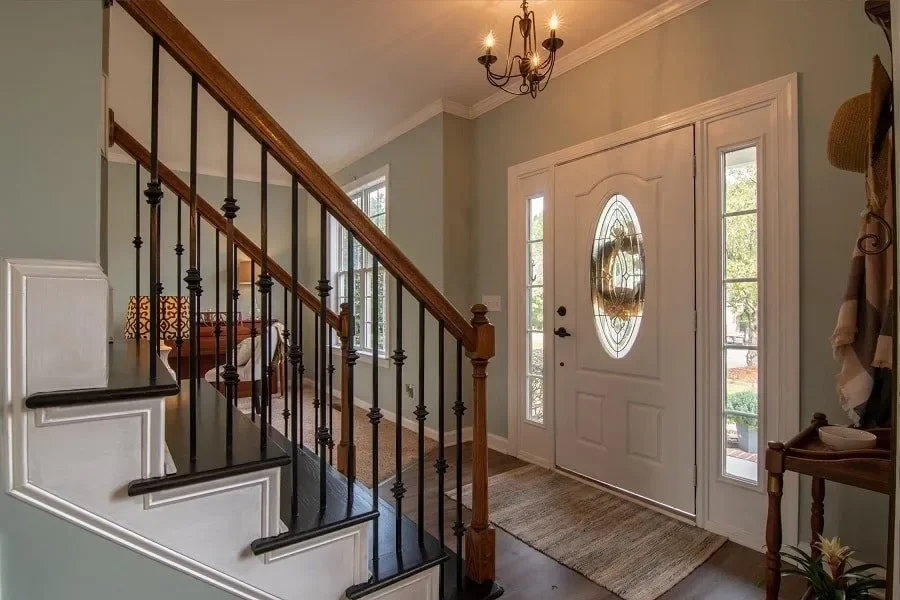
Very common in Seattle townhomes.
You open the door and — boom — staircase.
Can you move them?
No.
Can you make them feel designed instead of abrupt?
Yes.
Add a runner. Add statement lighting. Add art that draws the eye up instead of straight ahead.
Reframe the focal point.
4. Furniture That’s Way Too Big
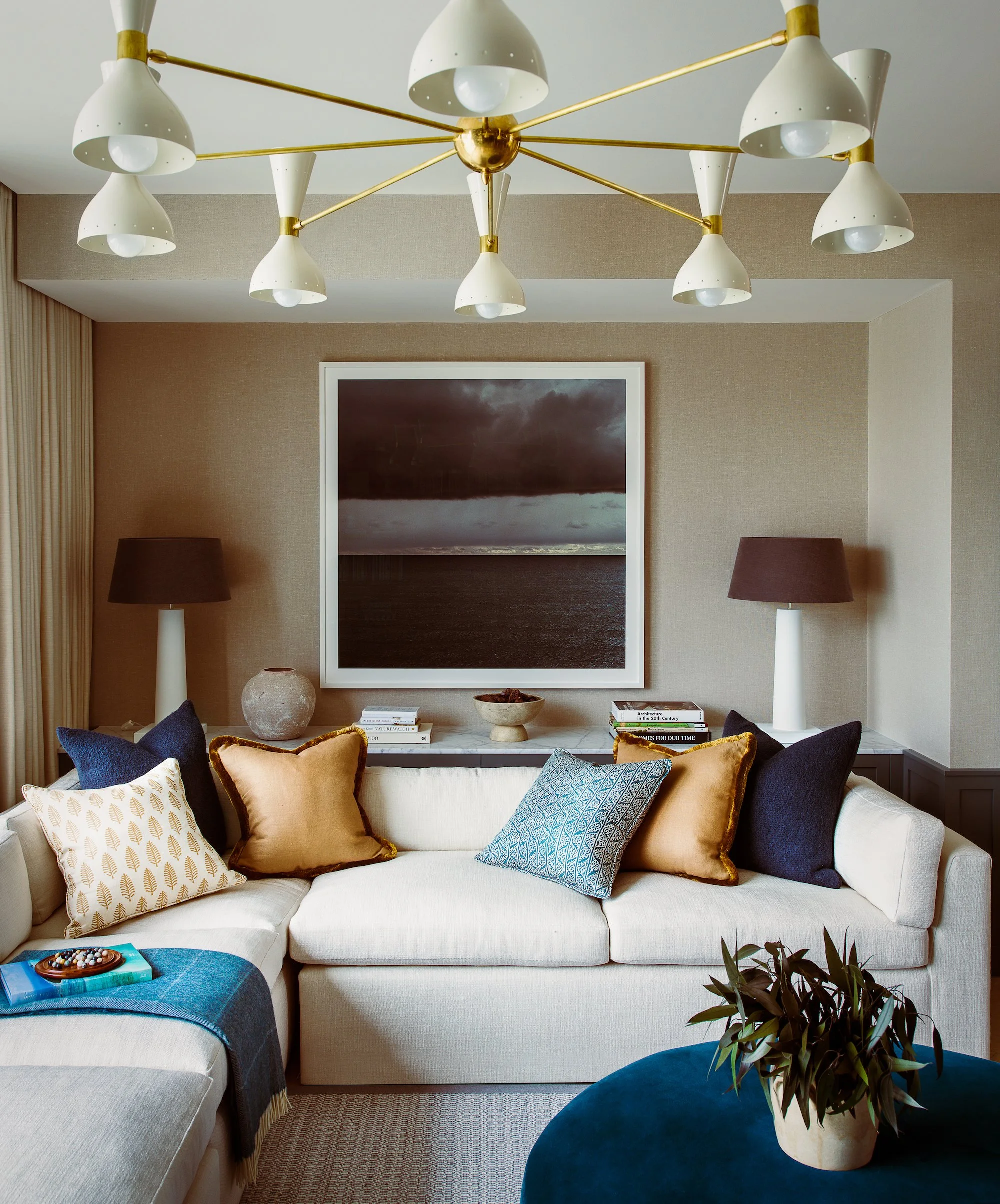
If your sectional eats the entire living room, buyers assume the room is small.
This one is 100% fixable.
Remove one piece. Downsize. Or stage it properly.
Scale is everything. Especially in Bellevue and Seattle townhomes.
5. Dark Corners (a.k.a. Energy Black Holes)
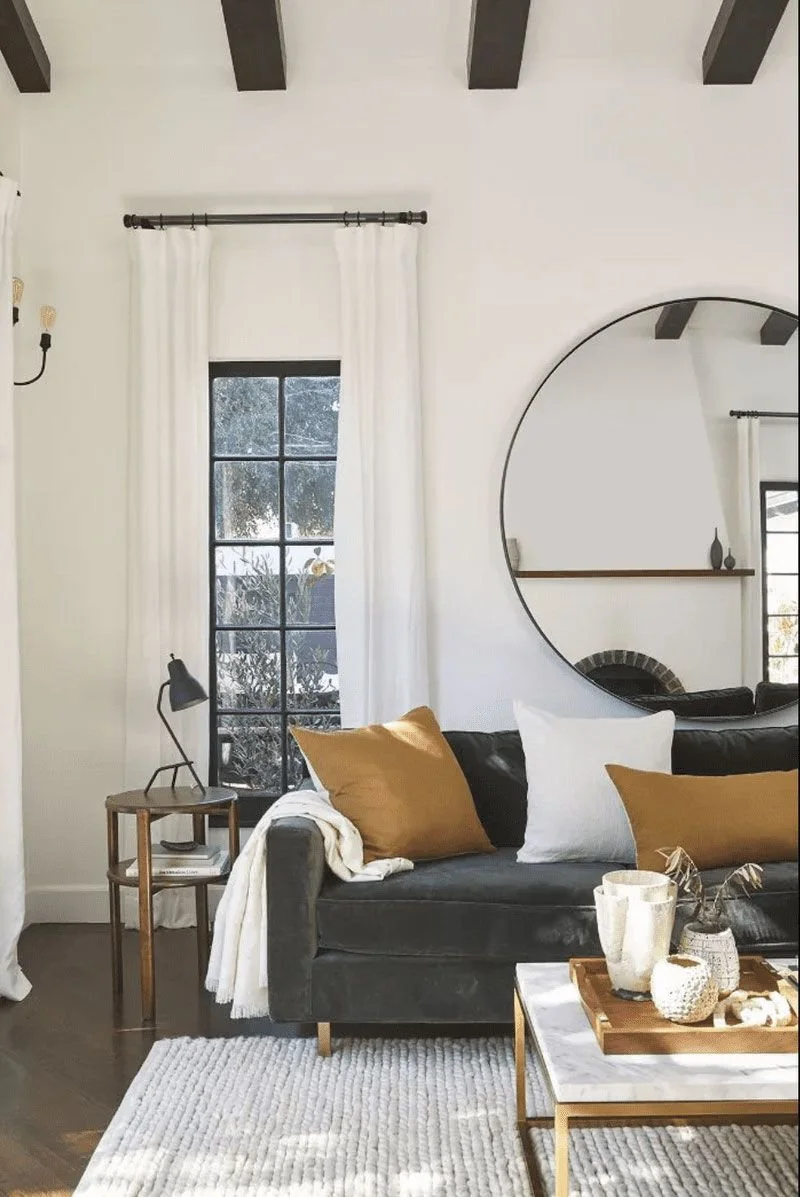
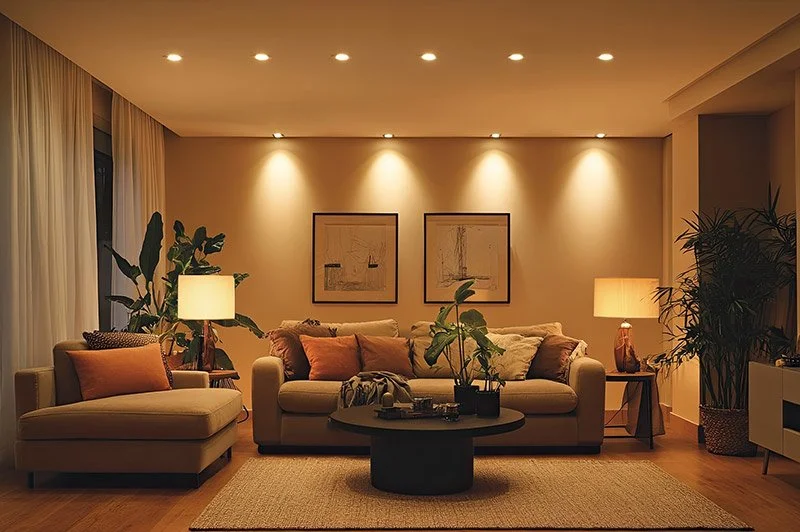

PNW homes + gray skies = lighting matters.
Dark = neglected in a buyer’s brain.
You don’t need skylights.
You need:
Better bulbs (2700K–3000K)
Lamps in every dead corner
Clean windows
Lighter paint if needed
Lighting is one of the highest ROI changes you can make.
6. Cluttered Counters
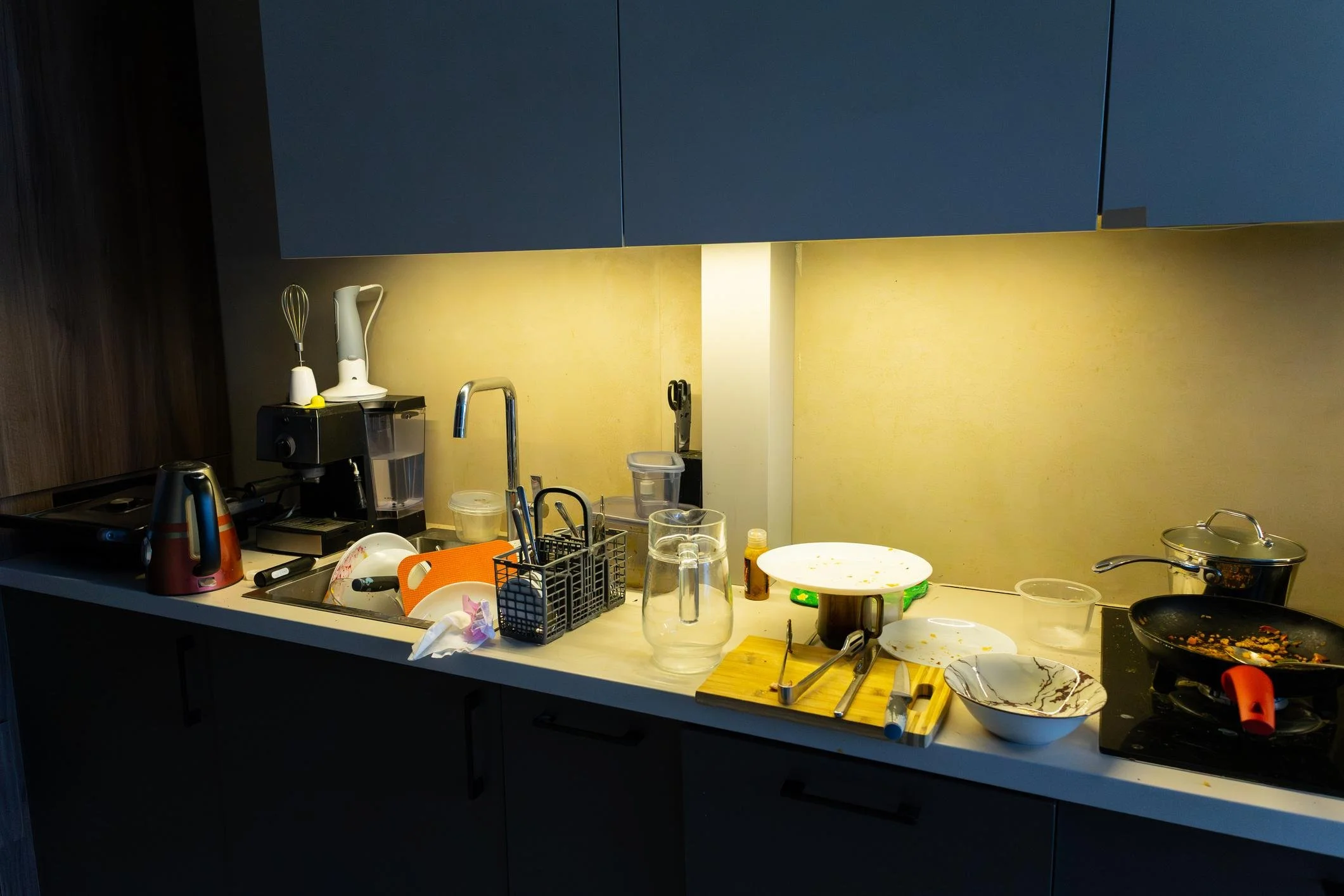
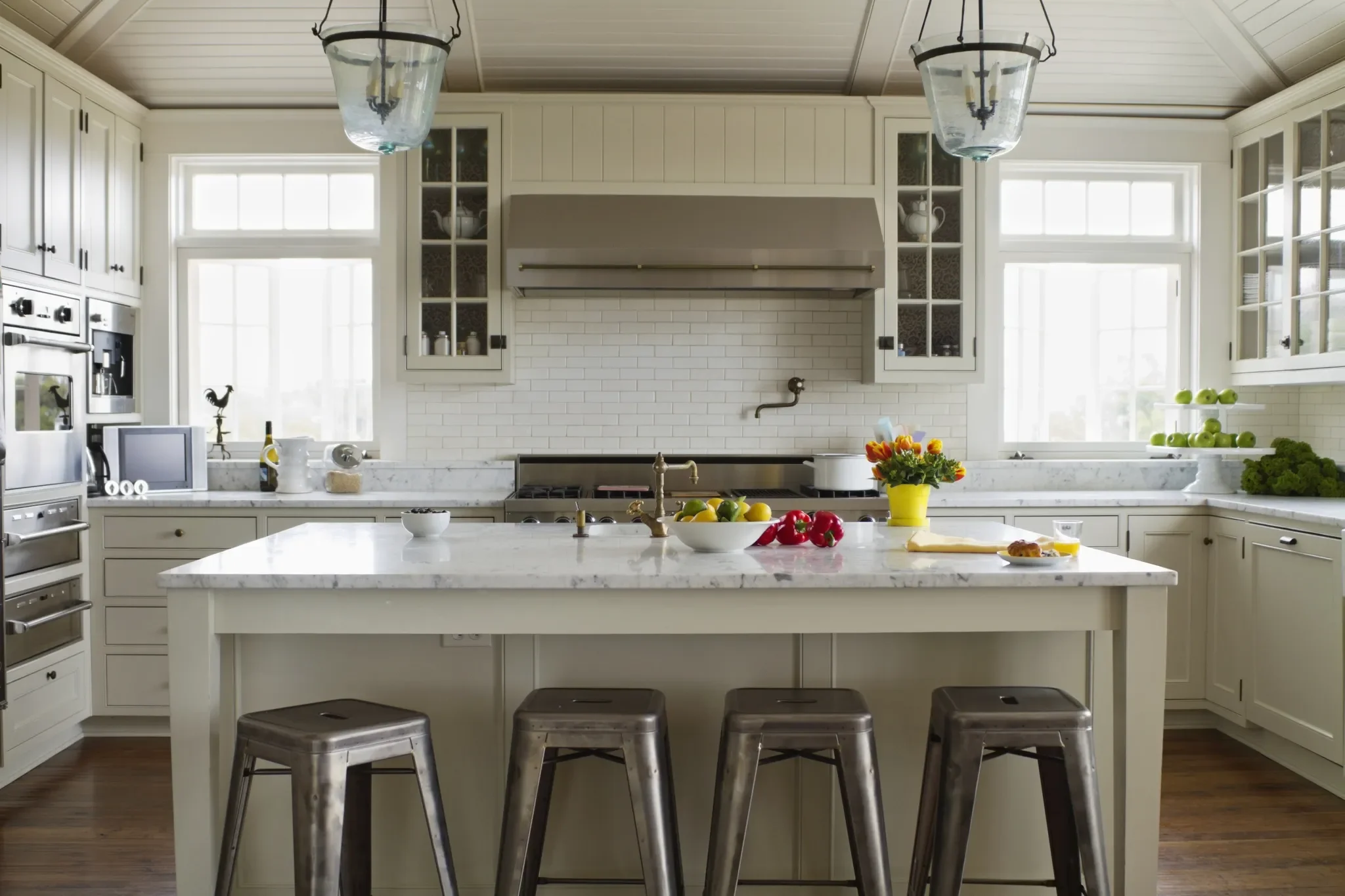
Buyers don’t see “lived in.”
They see “not enough storage.”
This is the easiest fix on this list.
Remove half of what’s visible.
Then remove half again.
7. Structural Stuff You Can’t Fix
Low ceilings. Narrow hallways. Weird layouts.
Here’s the honest answer:
Sometimes you don’t fix it.
You price for it.
Smart strategy isn’t about making your home perfect.
It’s about knowing where to spend — and where not to.
The Real Takeaway
“Bad feng shui” is usually just:
Poor lighting
Bad furniture scale
No visual flow
Or deferred maintenance
You don’t need incense.
You need intention.
If selling is even a possibility in the next couple years, the smartest move isn’t renovating everything.
It’s figuring out:
What actually increases value
What just makes you feel productive
And what buyers truly care about
If you want a straight answer on which category your home falls into, let’s talk.
Because good energy is nice.
But strong offers are better.
You Don’t Have to Believe in Feng Shui for It to Make You More Money
Most homeowners spend money upgrading the wrong things.
They focus on finishes instead of flow, trends instead of longevity, and aesthetics instead of how a home actually feels to live in. That’s where feng shui — whether you believe in it or not — quietly shows up.
Homes with good light, balance, and simple flow tend to be easier to live in and easier to sell. Over time, they’re also easier to maintain, which plays a much bigger role in long-term value than people realize.
That’s the part no one really talks about.
Most homeowners spend money upgrading the wrong things.
They focus on finishes instead of flow, trends instead of longevity, and aesthetics instead of how a home actually feels to live in. That’s where feng shui — whether you believe in it or not — quietly shows up.
Homes with good light, balance, and simple flow tend to be easier to live in and easier to sell. Over time, they’re also easier to maintain, which plays a much bigger role in long-term value than people realize.
That’s the part no one really talks about.
Why this matters more here than most places
In the Pacific Northwest, light is everything.
Gray skies, filtered sun, long stretches of overcast days — a home can start to feel heavy fast if it fights that reality.
The homes that hold value best usually do the opposite. They lean into softer whites, warm neutrals, and balanced tones that don’t feel cold or dark. They don’t try to impress. They just feel good.
When a home feels balanced, buyers relax. And relaxed buyers make decisions faster.
Paint is where this usually goes wrong
Paint is one of the easiest changes you can make, and somehow it’s where I see the most mistakes.
The colors that work best long-term are almost boring on their own. That’s exactly why they work.
They reflect light.
They don’t age quickly.
They don’t force buyers to imagine repainting.
They let the space speak instead of the color.
From a feng shui standpoint, they create clarity. From a real estate standpoint, they remove friction. Same outcome, different language.
A quick reality check on dark colors
Dark accents can be great. Front doors. Kitchen islands. Fireplaces.
A little contrast gives a home confidence.
But when everything is dark, buyers tense up. They might not say it, but they start mentally adding projects and costs. Once that happens, momentum slows.
Contrast should feel intentional — not like a future to-do list.
Two directions that actually hold up
When people ask what to do if they want their home to feel good now and not regret it later, the answer is usually one of two things.
Either keep it bright and neutral — light walls, clean trim, one grounded accent — or go slightly warmer while staying neutral and simple. Both approaches age well. Neither relies on trends.
Homes that chase trends almost always feel dated faster than expected.
Think long-term, not “pre-list panic”
The biggest mistake I see is waiting until you’re about to sell to think about how your home feels.
Homes with good flow, light, and simple color choices don’t need a last-minute overhaul. They’re already most of the way there.
Feng shui isn’t about luck. It’s about removing friction — in daily life and later, when it’s time to sell.
If a home feels easy to live in, it’s usually easier to sell too.